

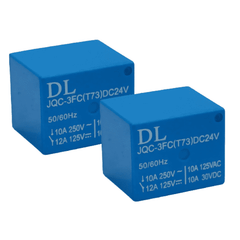
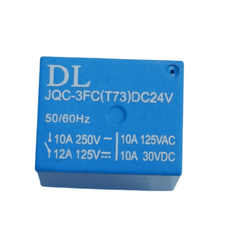
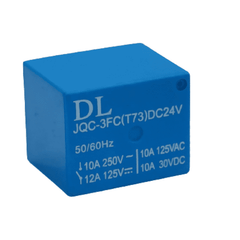
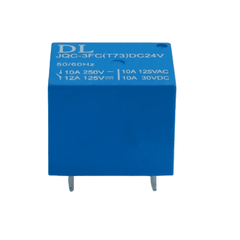
24V Relay Cube – Durable 24V relay cube for electrical applications. -Relay Module -Robocraze
s

Robocraze BEST PRICE GUARANTEED

test relay

24V Relay Cube

Rs 25/-
- 36%
Rs 25/-
Rs 39/-
Save Rs 14/-
Incl. GST (No Hidden Charges)
Please hurry! Only 20 left in stock

Why Buy From Robocraze

Free Delivery Above ₹999

Technical Support & Easy Returns

Same Day Shipping

Earn RC Coins on Purchase

Cash on Delivery

SKU: TIFRL0025
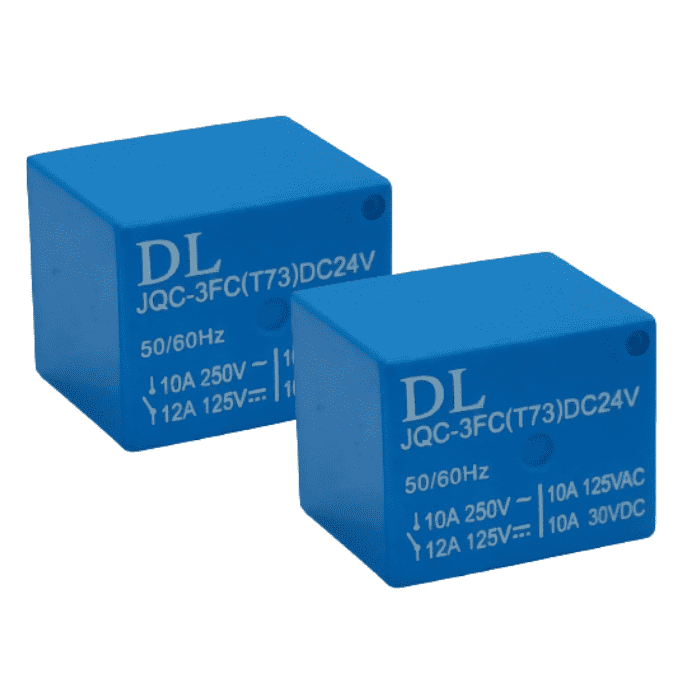
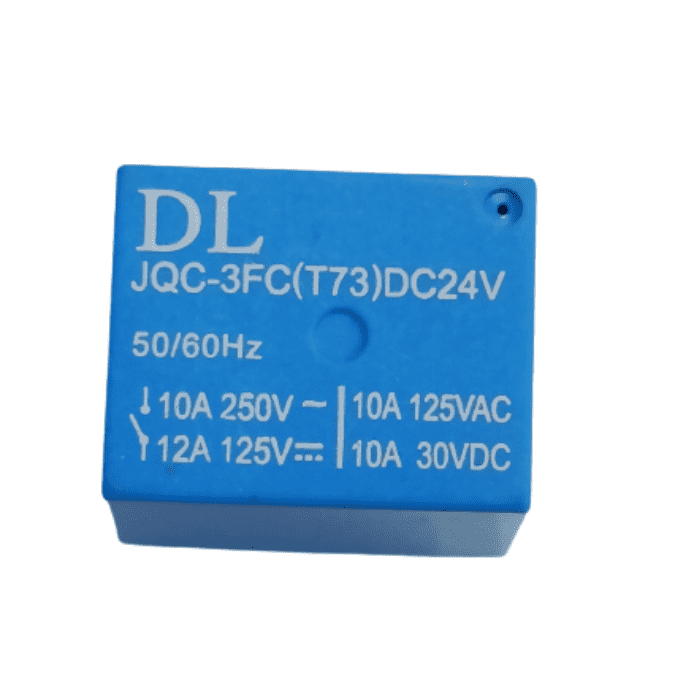
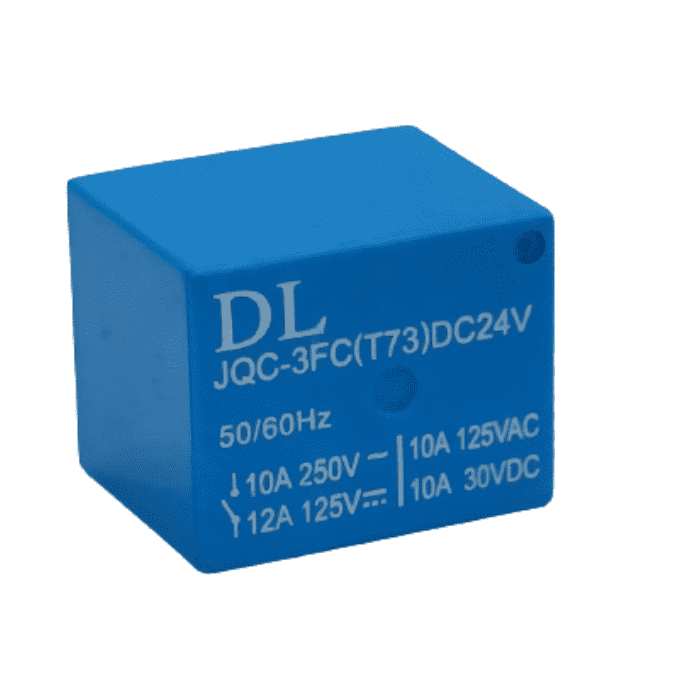
  • It has an operating voltage of 24V DC
  • It has a NC Contact Rating of 10A @ 125V AC / 30V DC 
  • It has a NO Contact Rating 10A @ 250V AC
  • It has a max current capacity of 10A
Robocraze Academy Limited Time Offer
24V Relay Cube – Durable 24V relay cube for electrical applications. -Relay Module -Robocraze
24V Relay Cube
Rs 39/- Rs 25/-

24V Relay Cube

Rs 39/- Rs 25/-

24V Relay Cube 

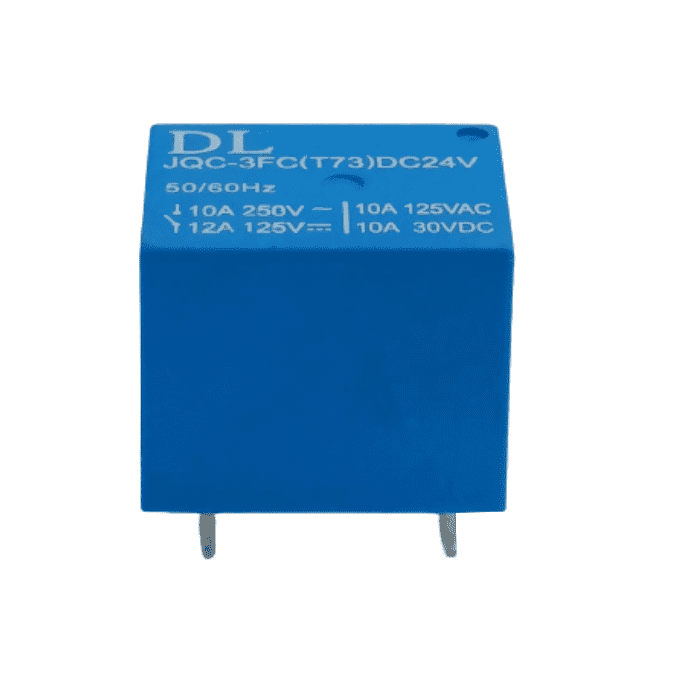
This is 24V Relay Cube. This sugar cube relay has an operating voltage of 24V and has a max current capacity of 10A. This makes it most suitable for use in microcontroller-based devices. It is an SPDT Relay. It has 3 output connection terminals, NO, NC and COM.

APPLICATIONS:

  • Control Solenoids
  • Motors
  • Bulbs and Lamp
  • Home Automation Projects
  • Freewheeling diode to protect your microcontroller.

Package includes:

  • 1 x 24V Relay Cube

Specifications:

Voltage

24V DC

NC Contact Rating

10A @ 125V AC / 30V DC

NO Contact Rating

10A @ 250V AC

Number Of Pins

5

Current

10A

Weight

10g

1.What is a 24 relay?

  • A relay is an electrically operated switch that allows a low-power circuit to control a higher-power circuit, such as switching the power to a motor on or off, or turning a light on or off. A 24 relay refers to a relay that is designed to operate on a voltage of 24 volts. This type of relay may be used in a variety of applications, such as controlling the operation of motors, lights, or other electrical equipment in automotive, industrial, or other environments. Relays can be controlled manually, or they can be activated by an electrical signal, such as a switch or a sensor.

2.Can you use a 12-volt relay for 24 Volt?

  • It is generally not recommended to use a 12-volt relay in a 24-volt system. Relays are designed to operate within a certain voltage range, and using a relay with a voltage rating that is too low can cause it to malfunction or fail. Additionally, using a 12-volt relay in a 24-volt system could potentially damage the relay or other electrical components in the circuit. If you need to control a 24-volt circuit, it is important to use a relay that is rated for 24 volts or higher. This will ensure that the relay can handle the higher voltage and current levels safely and effectively. If you are unsure about the voltage and current requirements of your circuit, it is always best to consult an electrician or a technical reference guide for guidance.

3.How do you control a 24V relay?

  • There are several ways to control a 24-volt relay, depending on the specific requirements of your application. Some common methods include:
    • Manual control: A relay can be controlled manually using a switch or button. When the switch is closed, it sends a current through the coil of the relay, which causes the contacts to close and complete the circuit. When the switch is opened, the current is interrupted, and the contacts open, breaking the circuit.
    • Control by a lower-voltage circuit: A relay can also be controlled by a lower-voltage circuit, such as a 12-volt circuit, using a relay driver or interface. This allows you to use a smaller, lower-power circuit to control a larger, higher-power circuit.
    • Control by a microcontroller or computer: A relay can be controlled using a microcontroller or computer, using a variety of input/output (I/O) devices such as digital output pins, pulse width modulation (PWM) signals, or serial communication protocols. This allows you to program the relay to respond to specific input conditions or to perform certain tasks on a set schedule.
  • No matter how you choose to control your 24-volt relay, it is important to make sure that the control circuit is designed and installed correctly to ensure safe and reliable operation. If you are unsure about how to control your relay, it is always best to consult an electrician or a technical reference guide for guidance.

4.Can I use 24VAC relay with 24VDC?

  • It is generally not recommended to use a 24-volt AC (alternating current) relay with a 24-volt DC (direct current) circuit. AC and DC relays are designed to operate with specific types of electrical current and using the wrong type of relay can cause it to malfunction or fail.
  • AC relays are designed to operate with alternating current, which changes direction periodically. AC relays have contacts that are designed to open and close quickly to switch the current on and off, and they are commonly used in applications where the load is resistive or inductive.
  • DC relays, on the other hand, are designed to operate with direct current, which flows in one direction. DC relays have contacts that are designed to handle the continuous flow of current, and they are commonly used in applications where the load is resistive.
  • If you need to control a 24-volt DC circuit, it is important to use a DC relay that is rated for 24 volts or higher. Using an AC relay in a DC circuit could potentially damage the relay or other electrical components in the circuit. If you are unsure about the voltage and current requirements of your circuit, it is always best to consult an electrician or a technical reference guide for guidance.

Shipping Policy

  • Free Delivery on all Orders Above Rs 999/-
  • All orders confirmed before 3:00 PM IST are shipped the same day, barring rare pickup delays on holidays or disturbances.
  • Delivery time in Metro cities is 1–3 days; for other locations, it is 3–7 days. Delivery varies based on location and courier service.

Return & Refund Policy

  • Return window: 7 days from receipt unless stated otherwise.
  • No refunds or replacements after the return window.
  • Returns are accepted only for non-working or damaged products.
  • Initiate return requests via a Support ticket or contact us at +91-8123057137.
  • Refunds are processed within 3–4 working days after inspection and approval.

Recently Viewed Products